The Nakayama-Style Healer and How to Use It
A few weeks ago I was talking with an old friend who has dealt with migraine headaches since we were young. In my late twenties, I began to occasionally experience debilitating headaches as well.
A neurologist here in Japan diagnosed me with tension-type headaches, which differ from migraines in their source and medical treatment, but have a similar onset involving neck, shoulder and back tension.
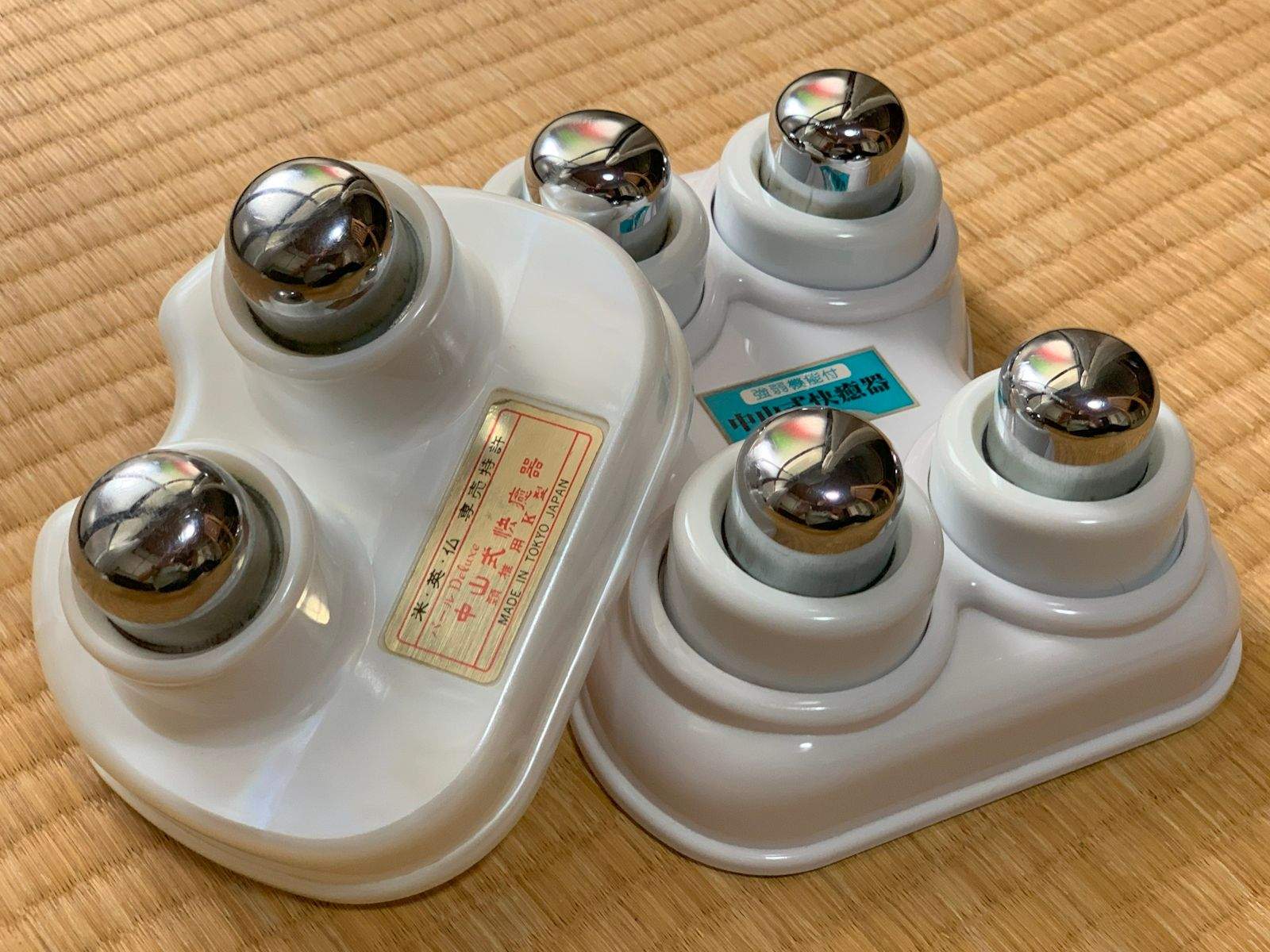
My mother-in-law gave my wife a device called a Nakayama-Style Healer that they've both used for decades to relieve neck tension. Even though, like a shiatsu massage, it can be excruciating at first, it has done wonders in relieving my neck tension and heading off bad headaches before they can take root.
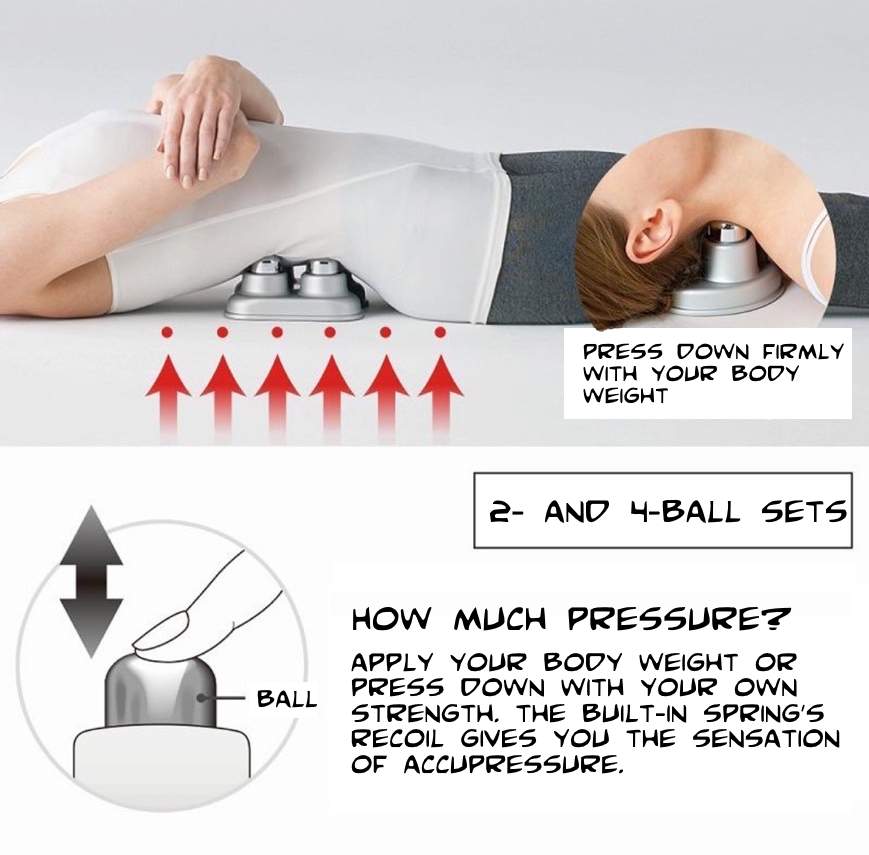
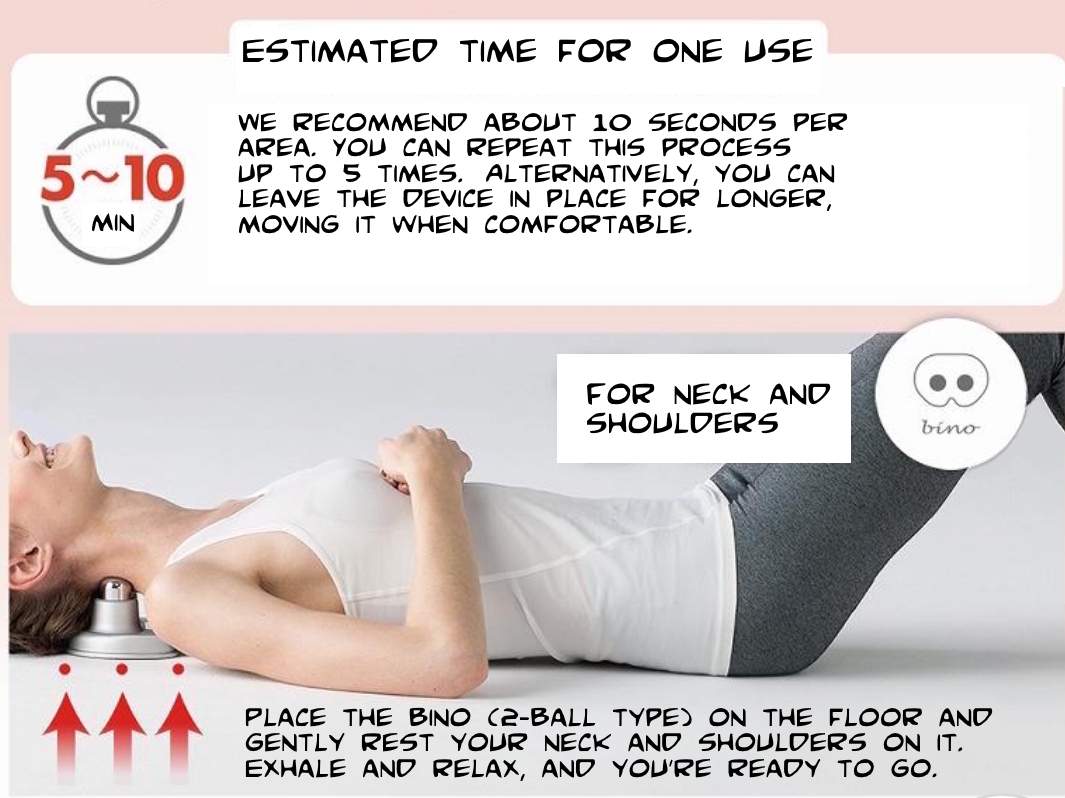
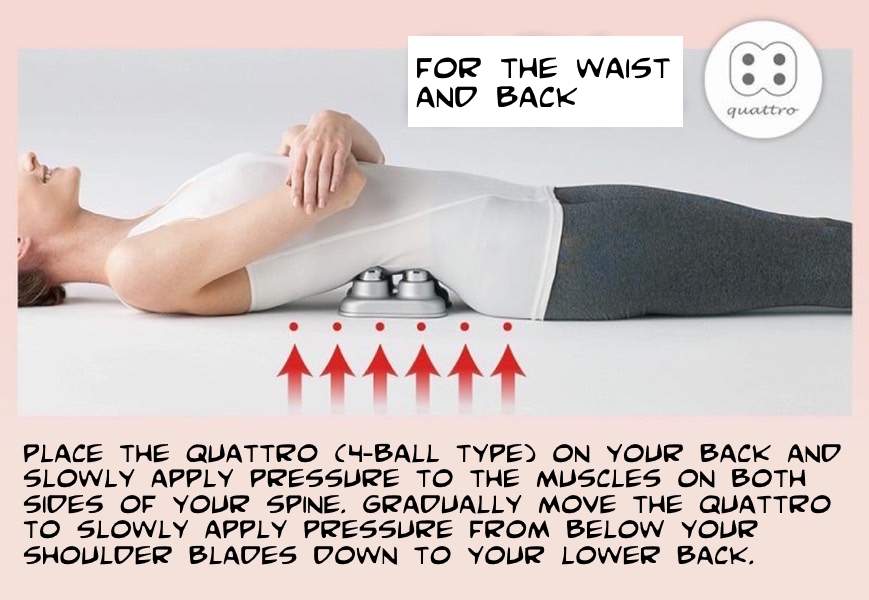
I sent a set of these devices to my friend, but since he doesn't read Japanese and since, to look at it, a Nakayama-Style Healer doesn't really give much clue as to its function, I translated some online resources from Japanese to English. The following is my translation of a passage in a blog post about overcoming tension-type headaches, and instructional images from a product description on a commercial site.
Have you heard of the Nakayama-Style Healer? It’s a device invented in Japan that only those in the know seem to use. It was created in 1947, and has been in demand for over 70 years for good reason.
All you have to do is lie down and let your body weight press down on it. The ball-like heads apply pressure to your back and neck. It’s the best way to give yourself a shiatsu or anma massage. You control the intensity with your own body weight, so you can find the sweet spot without going beyond what feels good. Highly recommended!
The ones sold today are made of plastic, but mine is an early wooden model. The paint is chipped in places and it has a certain retro charm. My father used it when he was a young sailor, about 60 years ago.
In the ship’s cramped sleeping quarters, where there was no room to move around, a simple device that let him lie down and get a shiatsu massage was a godsend. After retiring, he continued to use it.
When I moved back home over twenty years ago, he was miffed when I started using it. So, he got himself a new one and proudly showed off his “powerful” modern version.
When I started my first job as a systems engineer, I let some of my colleagues try it when they were visiting my home. Two out of six ended up buying the same model as my dad. I love the old-school wooden one, but I have to admit I was a little jealous of their powerful new devices.
There are two main types. The two-ball version is for your neck and shoulders. The four-ball version is for your back and lower back.
Lie on your back, placing the balls along your spine, and gently shift your weight for a few seconds.
It’s great not only for shoulder tension and headaches but even helps when your stomach’s acting up: just press into your back a bit.
When you use it regularly, your body sort of guides you: “Try hitting this spot next.” I keep mine by my bed and use it every night before I sleep.
Last night, I rested my head on the four-ball version. It felt like my scalp relaxed along with the base of my neck. By morning, I was both surprised and relieved.
Of course, I work hard so I gradually build up tension. As long as I’m still sweating it out by day, I’ll keep using it every night.
And finally... Where did that powerful new Nakayama-style Healer my dad bought end up?
We placed it in his coffin at the funeral. It was one of his essentials.
I’ll continue using the old one he passed down to me. It’s aged gracefully, just like he did. Maybe one day, my daughter will use it too: she’s already complaining about stiff shoulders.
I’m deeply grateful to the Nakayama-style Healer for easing pain across three generations of my family.